
The balance of Yin and Yang
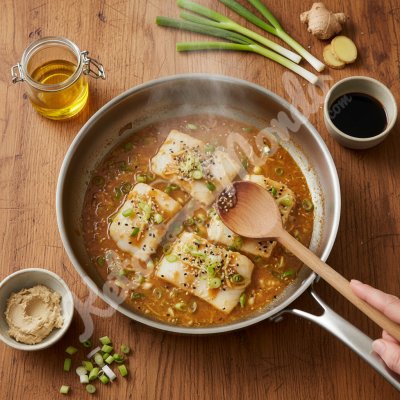
In Japanese cuisine, fat is never used in a disorderly or excessive manner. It is considered a precious ingredient, a force that must be channeled and harnessed to serve the overall harmony of the dish. Unlike some Western cuisines where fat is often used as a simple cooking medium or filler, we see it as a carrier of flavor and fuel for the spirit. A drizzle of grilled sesame oil, the natural fat of a tuna belly (toro), or the richness of an egg yolk marinated in soy are elements of precision. It is the balance of Yin and Yang: the richness of the fat complements the lightness of the broth and the freshness of the vegetables.
This control creates an ideal metabolic environment. By avoiding excess, low-quality saturated fats or highly processed vegetable oils, we allow our bodies to function without inflammation. Fat, when measured and of high quality, does not weigh down the stomach; it glides through the system, providing immediate satiety and stable energy. It is this accuracy in the dosage that allows us to avoid digestive heaviness and preserve what we cherish most: clarity of consciousness.
Lipids as biological information
The brain is the fattest organ in the human body. It is made up of almost 60% lipids. Therefore, the quality of fats we consume directly determines the quality of our thinking. In my cooking, I favor fats which carry 'information' which is beneficial for the neurons. Sesame oil, for example, is rich in sesamin and sesamol, powerful antioxidants that protect cells. Oily fish from our coasts provide the precious omega-3 fatty acids, DHA and EPA, which are the fundamental building blocks of neuronal membranes and synapses.
Consuming these fats in moderation sends a signal of safety and performance to our brain. We don't just give it calories; we give them the tools to repair themselves and communicate effectively. Conversely, 'empty' industrial fats or fats denatured by excessive heat create an inflammatory background noise which interferes with nerve transmission. By choosing absolute quality, we make each meal a treatment session for our intelligence. Fat then becomes a form of liquid wisdom.
Metabolic Satori state
'Satori' is, in Zen Buddhism, a moment of awakening, a sudden and clear understanding of reality. I believe there is a metabolic equivalent to this state. When we reduce carbohydrates and provide the brain with quality fats, it begins to produce and use ketones. Ketones are a much cleaner and more efficient fuel than glucose. They burn without producing as many free radicals, providing consistent energy that eliminates the 'brain fog' so common after starchy meals.
I notice this clarity every day in my work. At 62, my concentration is sharper than at 20. I can spend hours cutting vegetables with pinpoint precision without feeling cognitive fatigue. This total presence at the moment is the result of a biology stabilized by controlled fats. No peaks, no falls, just a straight line of lucidity. It's an extraordinary feeling of freedom: no longer being the slave of your blood sugar fluctuations to become the master of your attention.
The balance of membranes and hormones
Controlled fats not only nourish the brain; they harmonize the whole body. They are essential for the production of hormones, particularly those which regulate stress and satiety. By maintaining a proper balance of omega-3 and omega-6, we reduce the systemic inflammation that is at the root of so many modern diseases. Japanese cuisine, with its moderate use of seed oils and its richness in seafood, naturally promotes this protective balance.
In addition, fats facilitate the absorption of fat-soluble vitamins (A, D, E, K) present in vegetables. Without a little fat, the nutrients from spinach or daikon would not be fully assimilated. This is where the genius of measurement lies: using just enough fat to unlock the nutritional potential of the meal, without ever crossing the line into overload. It is a delicate dance between creaminess and lightness, a quest for perfect harmony which is reflected in the health of each cell.
Dosage as a martial art
Fat control is a practice that requires discipline and observation. It's learning to listen to the real needs of your body rather than the impulses of your palate. In my restaurant, measuring the oil is an almost ritual gesture. We don't pour, we deposit. We don't drown, we emphasize. This discipline is transposed into daily life: it is consciously choosing quality over quantity, long-term benefit over immediate and superficial pleasure.
This disciplined approach creates its own rewards. By accustoming the body to healthy and measured fats, we refine its taste. We begin to perceive the subtlety of camellia oil or the richness of a macadamia nut. Fat stops being an addiction and becomes an appreciation. And in return, the body offers us emotional stability and physical endurance that few other dietary choices can match. This is the path to self-control through mastery of the plate.
Serenity through precision
Mental clarity is not a gift from heaven; it’s a daily construction that begins in the kitchen. By choosing controlled, high-quality fats, you give your mind the sanctuary it needs to thrive. You create a state of serenity and presence that transforms every aspect of your life. Precision in plate leads to precision in thought, and precision in thought leads to a fairer and more harmonious life.
I invite you to see fat not as an enemy or a guilty pleasure, but as a precious ally of your intelligence. Learn to choose it carefully, to dose it with respect and to savor it with conscience. Let clarity settle within you, meal after meal. In this noisy and confusing world, a clear mind is your greatest treasure. Take care of it with the wisdom of tradition and the precision of science. The way is open, you just have to take the first step towards measurement.