
The science of satisfaction
For a long time, Western culinary thinking was limited to four basic flavors: sweet, salty, sour and bitter. But in Japan, we have known for over a century — and felt it for millennia — that there is a fifth flavor: umami. This word, which can be translated as 'tasty' or 'delicious', designates the deep and lasting sensation caused by glutamates and nucleotides. It's not just a taste, it's a biological signal. Umami tells our brain that we are consuming high-quality protein, nutrients essential for our survival.
When we understand umami, we discover a powerful tool for transforming our relationship with food. Sugar offers immediate but fleeting pleasure, a distraction that often leaves the body unsatisfied and wanting more. Umami, on the other hand, offers deep satisfaction that calms the nervous system and signals satiety. By cultivating umami in our cooking, we naturally reduce our dependence on sugar. We no longer need the crutch of fast carbs to find pleasure on the plate, because we have found a much more authentic and lasting source of satisfaction.
The elixir of clarity
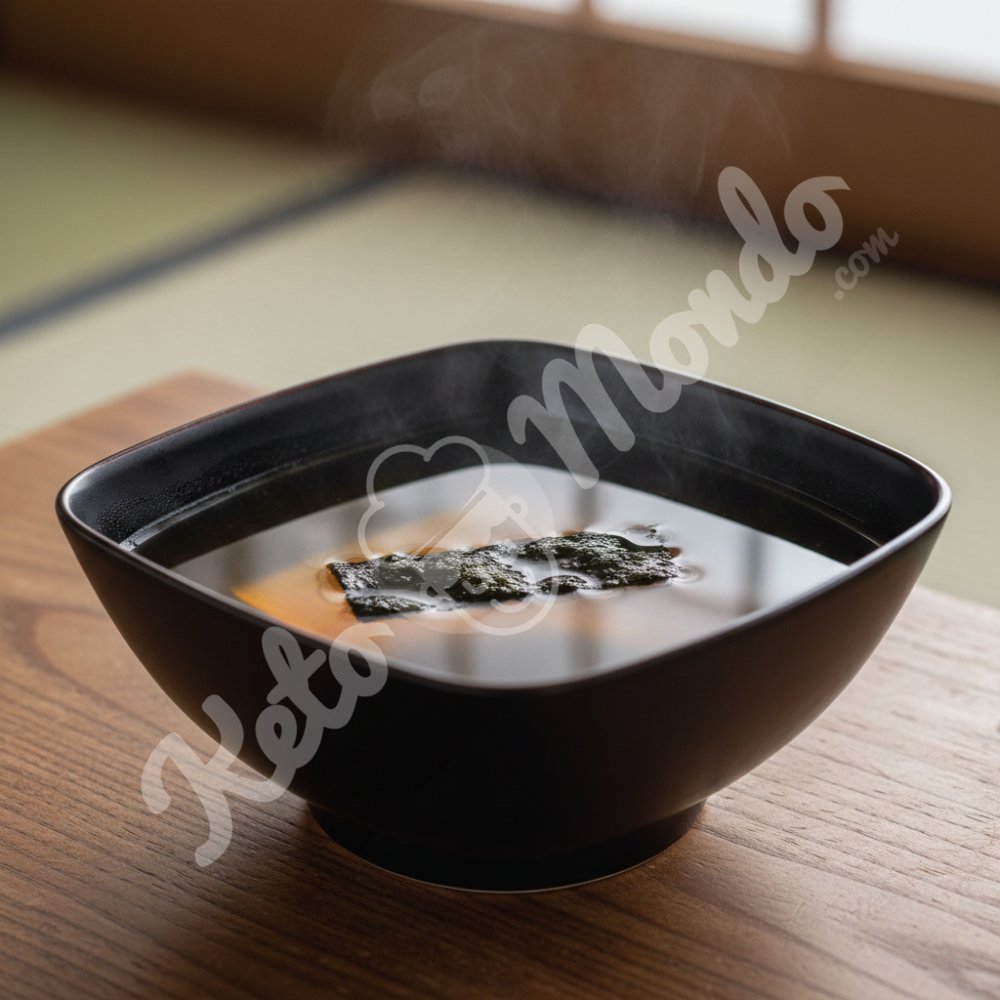
The beating heart of Japanese cuisine is dashi. This clear broth, made with kombu seaweed and dried bonito flakes (katsuobushi), is the essence of umami. Its preparation is an exercise in patience and precision. We do not boil the ingredients suddenly; we let them infuse gently to extract the quintessence of their flavor. Dashi is pure, without unnecessary fats and completely free of carbohydrates. It is a liquid base that brings incredible depth to any dish, without increasing the glycemic load.
What makes dashi magical is the synergy. The glutamate from the kombu seaweed meets the inosinate from the bonito, and together they increase the perception of umami by seven or eight. It's a burst of flavor without a single empty calorie. Using dashi as a base for soups, vegetable stews or sauces creates a rich taste experience that makes the rice or noodles completely secondary. We feel nourished at the cellular level. It is the elixir of clarity: it awakens the taste buds without clouding the mind.
The Metabolic Health Pantry
Nature is generous with sources of umami, and it's fascinating that the foods richest in this flavor are often the mainstays of a low-carb diet. Dried shiitake mushrooms, for example, are guanylate concentrates. Algae, fatty fish, eggs, and even certain vegetables like ripe tomatoes or asparagus, carry this tasty signature. By learning to identify and combine these ingredients, one can create cuisine of fascinating aromatic complexity without ever touching a bag of sugar or flour.
Fermentation is another valuable ally. Miso, tamari (wheat-free soy sauce) and natto are treasures of umami created by the action of time and micro-organisms. Although they contain some carbohydrates, their intensity is such that a small amount is enough to transform a dish. They bring an earthy note, a depth that anchors the meal. In my practice, I use these ingredients like brushes to paint landscapes of flavors that satisfy the most primal instinct of the human being: that of being nourished by the very essence of life.
The antidote to modern cravings
The biggest challenge of modern nutrition is managing hunger. Sugar and refined carbohydrates create a cycle of addiction: the insulin spike is followed by a drop in blood sugar that triggers a new sugar craving. It's an exhausting spiral. Umami breaks this cycle. Studies have shown that eating foods high in umami stimulates receptors in the stomach that signal the brain that protein is coming. This triggers a hormonal cascade of satiety that lasts much longer than that caused by carbohydrates.
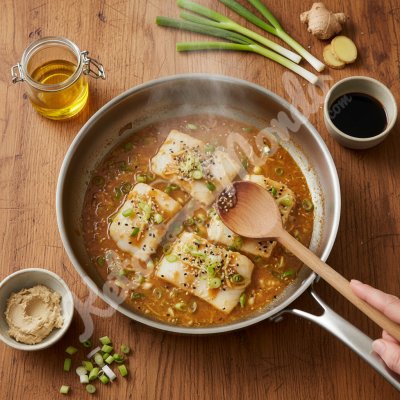
When you eat a meal rich in umami — for example, grilled fish with miso soup and green vegetables — you feel a quiet fullness. You don't need dessert because your brain has received the signal that it has everything it needs. This satisfaction is not only physical, it is also psychological. We feel fulfilled, soothed. It's the ultimate antidote to cravings and compulsive snacking. Umami teaches us to eat less, but savor more.
The wisdom of time and taste
My culture cultivated umami long before science put a name to it. The drying, smoking and fermentation methods we have used for centuries were primarily intended to concentrate this flavor and preserve food. It was a matter of survival, but it became an art form. This ancestral wisdom teaches us that taste quality is inseparable from nutritional quality. A food that has taken the time to develop its umami is a food that has transformed its components into more bioavailable and tastier forms.
By returning to these techniques, we reconnect to a more natural rhythm. We stop seeking the instant gratification of sugar to appreciate the depth of time. It is a lesson in humility and patience. Umami cuisine is a cuisine of respect: respect for the ingredient, respect for the process and respect for the body. It is a path that leads us towards robust health and an authentic joy of living, far from the artifices of the food industry.
Umami as a compass
Umami is more than just a flavor; it is a compass that guides us towards metabolic and sensory balance. As you make umami the mainstay of your diet, you'll find that sugar loses its appeal. You will no longer feel like you are depriving yourself, because you will have access to a much richer and more satisfying palette of flavors. This is the secret to a successful and sustainable low-carb diet: not focusing on what you remove, but on the depth of what you add.
I invite you to explore this world of flavors. Start with a good broth, experiment with mushrooms, discover the richness of fermented foods. Let umami teach you satiety and clarity. In every drop of dashi, in every bite of perfectly prepared fish, there is a promise of health and pleasure. This is the path I have chosen, and it is the path I share with you today. May your cooking be tasty, and may your body be strong.