
An archeology of taste
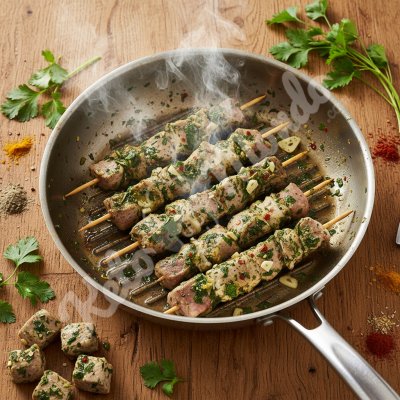
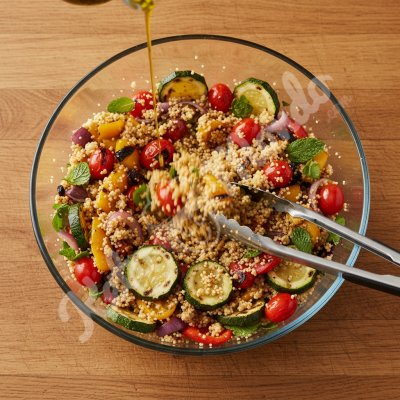
There is a stubborn preconception that Levantine cuisine is inseparable from pita bread and rice. But if we look at history with a careful eye, we discover a very different reality. Before massive industrialization and the standardization of crops, our diet was centered on what the earth offered most directly: wild vegetables, aromatic herbs, legumes (consumed sparingly) and grilled proteins. Bread was present, certainly, but it was rustic, complete, and above all, it was never the foundation of the meal. It served as a tool, an edible spoon, not a systematic filling.
By reducing grains today, I am not erasing my heritage. On the contrary, I am carrying out a true archeology of taste. I scrape the surface layer of modern habits to find the very essence of what has nourished us for millennia. Authentic Levantine cuisine is a cuisine of the earth and the sun, not a cuisine of the flour mill. Returning to this basis means reestablishing a biological and cultural truth that we have ignored for too long.
L'invasion you know
What has changed radically in recent decades is the very nature of the grains we consume. Modern breads — white, puffy, often with added sugar and additives to stay soft — no longer have anything to do with ancestral pancakes. They have become center of the plate because they are cheap and addictive. They have taken the place of vegetables and herbs, creating an illusion of abundance which hides real nutritional poverty.
This invasion of the void has had a devastating impact on our metabolic health. By becoming dependent on these fast carbohydrates, we have lost the energy stability that characterized our ancestors. Reducing these modern cereals is simply removing a layer of industrial varnish to allow the precious wood of our culinary tradition to reappear. It is an act of resistance against the standardization of taste and for the protection of our vitality.
Validation of elders
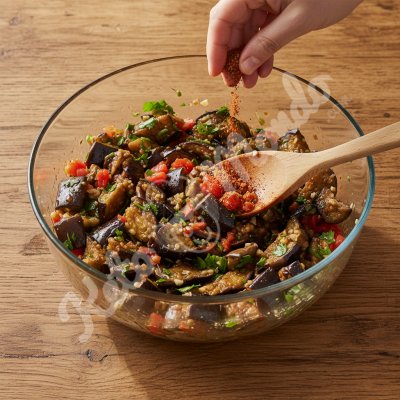
When I cook without bread or with very little grain, I often wonder what my grandmother would think. And I am convinced that she would sense the truth of my approach. She would immediately recognize the smell of fresh zaatar, the texture of wood-fired eggplant, the richness of cold-pressed olive oil. She would say: 'Yes, that's exactly how we ate in the countryside, when bread was rare and precious.'
This honest feedback is not a regression, it is a conscious evolution. It’s using modern knowledge about metabolism to validate ancient practices that made sense. We don't need to reject our culture to be healthy; we just need to understand it deeply. Tradition is not a fixed dogma, it is a river that flows and adapts. By reducing cereals, we are allowing this river to return to its original bed.
The preserved essence
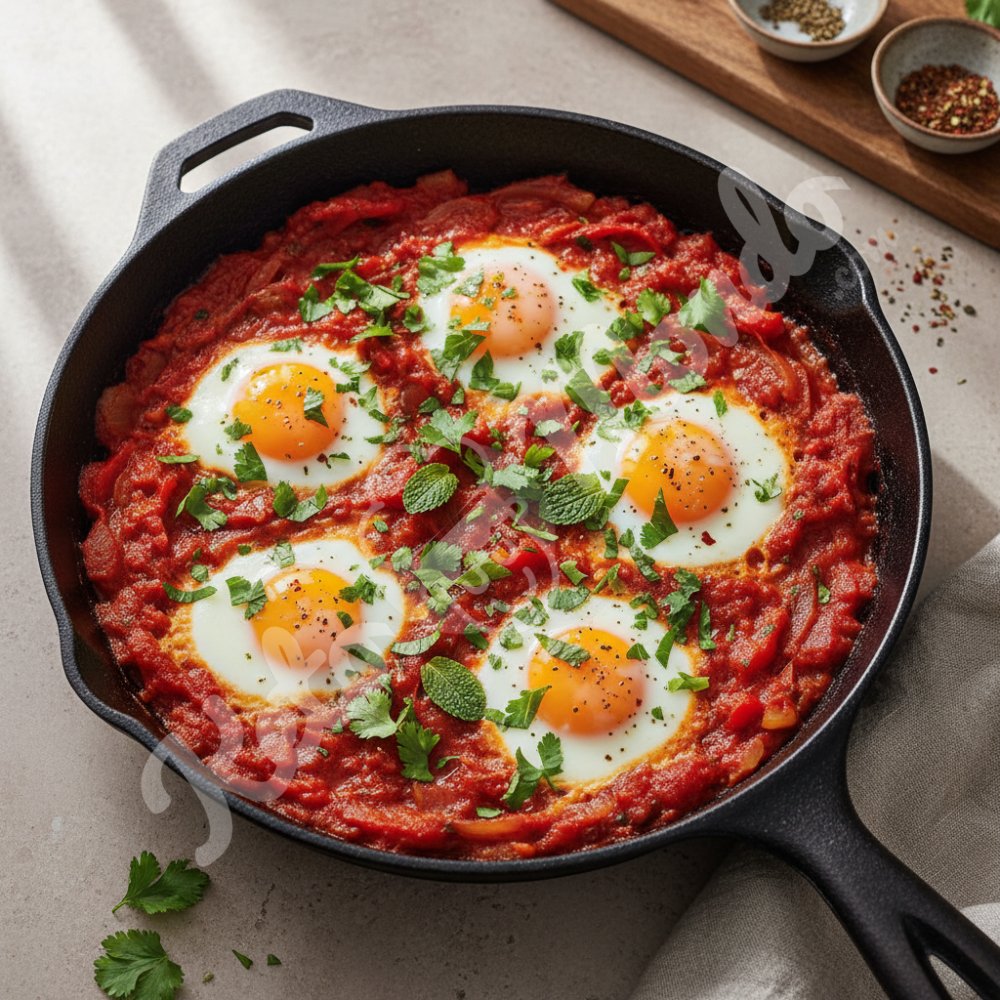
The secret to a successful transition to a low-carb diet in a culture rich in traditions is knowing how to distinguish the accessory from the essential. The essence of Levantine cuisine is not wheat. It's sharing, it's the sunlight captured in a ripe tomato, it's the human warmth around a table, it's the work of the hands that prepare the herbs. All this remains intact, even without pita bread.
This continuity is what makes my approach sustainable. I never feel disconnected from my community or my history. I am simply participating in the restoration of a balance that has been disrupted by industrialization. By protecting the essence, we protect our identity while improving our health. It’s a form of respect that goes well beyond the plate; it is a respect for life itself.
Choose life over habit
Ultimately, the question is not whether we should eat bread or not. The question is whether we want to be healthy, vibrant and present in our lives. If modern grains are preventing us from reaching this state, then we must have the courage to reduce them, while honoring the beauty of our culture.
I invite you to rediscover the richness of the Levantine table without the filter of starchy foods. Let the herbs, spices and healthy fats tell their story. You will see that the tradition is much more vast and generous than what we have been taught. Health is an inheritance that we must carefully cultivate, for ourselves and for those who come after us. Enjoy your meal, with respect and clarity.