
A historical misunderstanding of heaviness
There is a persistent prejudice, both in the West and within our own community, that Pakistani cuisine is inherently heavy, fatty and difficult to digest. We often associate it with that feeling of sleepiness that follows a big festive meal, with that compelling need to lie down after consuming mountains of biryani rice or piles of buttered naan. But as a chef and heir to centuries-old culinary traditions, I must reestablish an essential truth: this heaviness is not the soul of our cuisine. It is a modern deviation, a recent addition which has ended up masking the original structure of our dishes. The true cuisine of my ancestors was one of precision, vitality and, against all expectations, great metabolic lightness.
When we analyze the structure of a traditional curry — what we call 'salan' — we find high-quality proteins, healthy fats like ghee, and a wealth of spices with digestive benefits. In itself, this mixture is a concentrate of perfectly assimilable nutrients. What changed everything was the disproportionate increase in support. Over the decades, rice and refined bread have evolved from modest complements to central pillars of the meal. It is this excess starch, and not the richness of the sauces or the quality of the meats, that creates fatigue and inflammation. Lightening our cooking does not mean removing taste or fat; this means removing the ballast that prevents our body from sailing peacefully.
The silent invasion of starch
If we go back in time, before the era of intensive agriculture and food standardization, the place of cereals on the Pakistani plate was very different. Basmati rice, now omnipresent, was once a luxury product, reserved for special occasions. Daily bread was often made from whole grains or mixtures of legumes, eaten in reasonable quantities. The basis of the meal was vegetable and protein. With modernization and economic changes, cheap carbohydrates have invaded our tables, creating an illusion of abundance that has ended up harming our health. We have learned to fill our stomachs with volume rather than nutrient density.
By returning to a low-carb diet, we are not just adopting a Western 'trend'; we are returning to our roots, restoring the ancestral balance. By drastically reducing rice and bread, we rediscover the clarity of flavors. Without the bland veil of starch, the spiciness of ginger, the freshness of coriander and the depth of cumin burst on the palate with a new intensity. The lightness one feels after such a meal is a revelation. We feel nourished, satisfied, but alert. This is proof that our kitchen, stripped of its unnecessary additions, is one of the most effective in the world in supporting a healthy metabolism and lasting mental clarity.
Lighten without betraying the soul of the dish
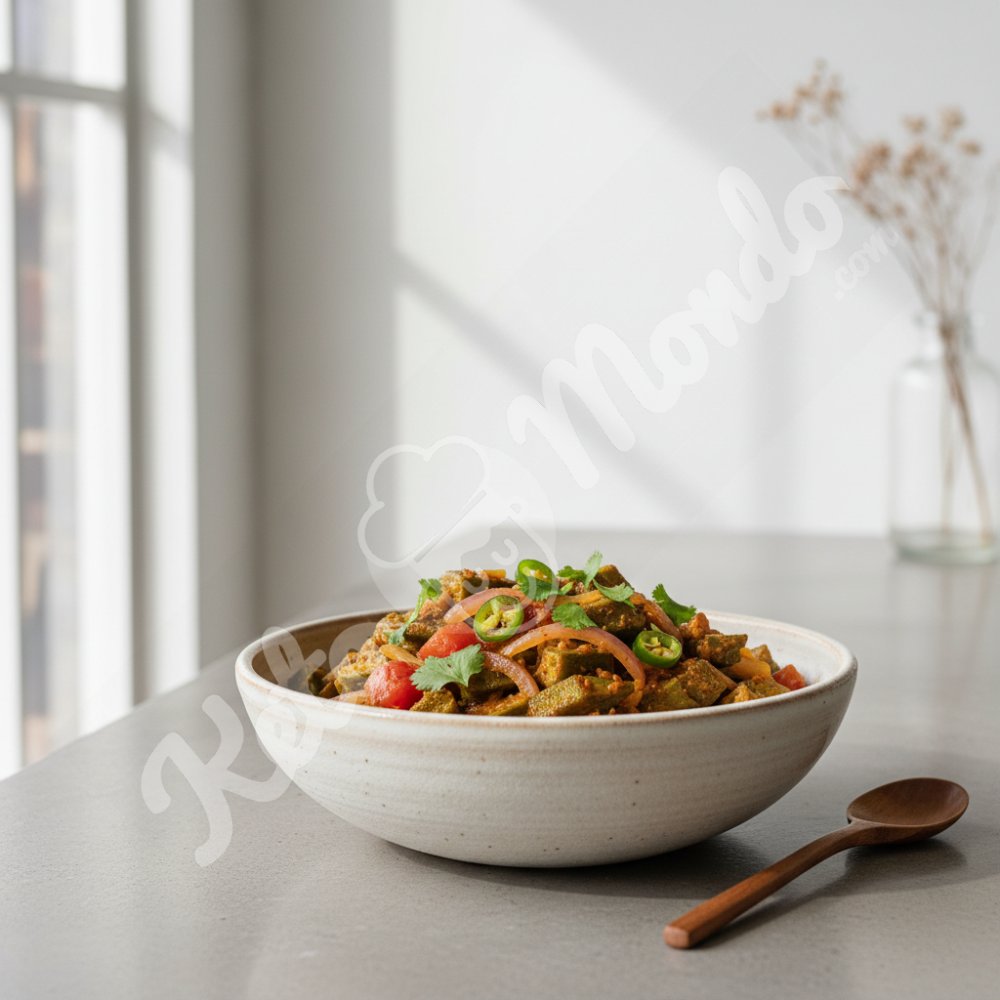
The question I get asked most often is: 'How do I eat curry without bread or rice?' For many, this is a cultural impossibility. But therein lies the magic of reinvention. Lightening does not mean depriving yourself, it means substituting intelligently. Instead of using rice as a carrier, I use finely chopped or roasted non-starchy vegetables, which absorb the sauces while providing fiber and micronutrients. Instead of naan, I suggest alternatives made from seed flours or simply large leaves of crunchy lettuce which contrast wonderfully with the heat of the dish. The soul of the meal — the complex blend of spices and the tenderness of the cooking — remains intact.
What is fascinating is to see to what extent sensory pleasure is preserved, even amplified. Without the heaviness of the starch, we can allow ourselves to better appreciate the richness of the sauces, the creaminess of the ghee and the quality of the basic ingredients. We no longer eat to 'mop up' a sauce, we eat to savor each aromatic nuance. It is a transition from quantity to quality, from saturation to tasting. People who taste my 'light' cuisine are often amazed to find that they don't miss the rice. They discover that satisfaction comes from the density of flavors and not from the volume of glucose ingested.
Structure as the key to satiety
Satiety in Pakistani cuisine should never depend on starch. It must come from the structure of the dish itself: the balance between proteins, fats and fibers. When I put together a menu, I make sure that each item provides a positive metabolic response. Healthy fats, like those found in lamb or ghee, send powerful satiety signals to the brain. Spices, through their action on taste receptors and on digestion, complete this feeling of fullness. It's a holistic approach to nutrition where every bite has a purpose.
By changing the structure of our meals, we change our relationship with food. We stop looking for 'filling' and look for 'nourishment'. This distinction is fundamental. A meal high in starch creates mechanical and temporary satiety, often followed by a drop in energy. A meal structured around low-carb principles provides metabolic and lasting satiety. It is this stability that allows us to get through the day with constant energy, without the cravings that push us towards sugar. It is a form of respect for our own biology, a way of treating our body with the same attention that we give to the dosage of our spices.
A practice of freedom and health
Adopting this vision of Pakistani cuisine is an act of liberation. It is freeing ourselves from the guilt associated with our traditions, by understanding that the problem does not come from our recipes but from our modern consumption habits. It’s also about breaking free from the addiction to carbohydrates that traps so many members of our community in cycles of metabolic disease. By returning to original lightness, we regain power over our health while honoring our heritage. We show that it is possible to be proud of your culinary culture while being at the cutting edge of nutritional science.
My advice for getting started is simple: don't change your curry recipes, change what you put on the side. Rediscover the pleasure of eating a spicy meat and vegetable dish for what it is. Listen to your body after a meal. Feel this absence of heaviness, this clarity of mind, this energy which circulates freely. This is the true promise of our cuisine. It is an invitation to a sensory journey that does not end with a forced nap, but with a desire to live fully. Spices are our guides, tradition is our foundation, and lightness is our destination. Welcome to a new era of Pakistani gastronomy, where taste and health become one.