
The soul of the Russian table
Borscht, stchi, solyanka... these names resonate like ancient songs in my mind. They are the soul of the Russian table, the pillars of our culinary identity. Each family has its recipe, each region has its secret. But behind the poetry of names there is often a heavy metabolic reality. My mother, like all women of her generation, cooked generously but without nutritional discernment. His soups were thick with potatoes, barley and floury binders. It was good for the heart, but it was a challenge for the pancreas.
At 46, I decided not to abandon these dishes, but to liberate them. I continue to cook borscht and solyanka, because they are part of me. But I cook them with a fresh perspective, that of a woman who understands the mechanisms of insulin and inflammation. Modernizing Russian cuisine is not betraying it, it is giving it a second life, healthier and more vibrant. It's moving from folklore to performance.
Culinary surgery
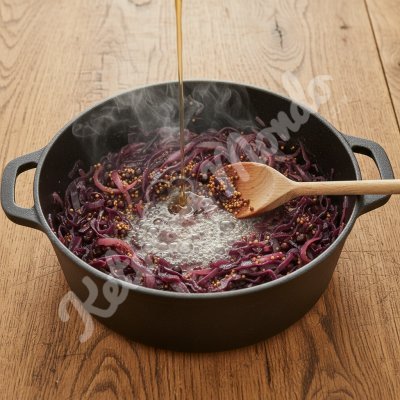
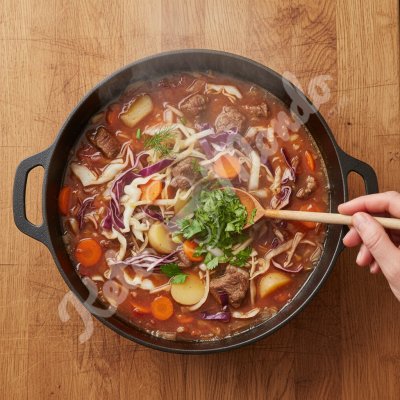
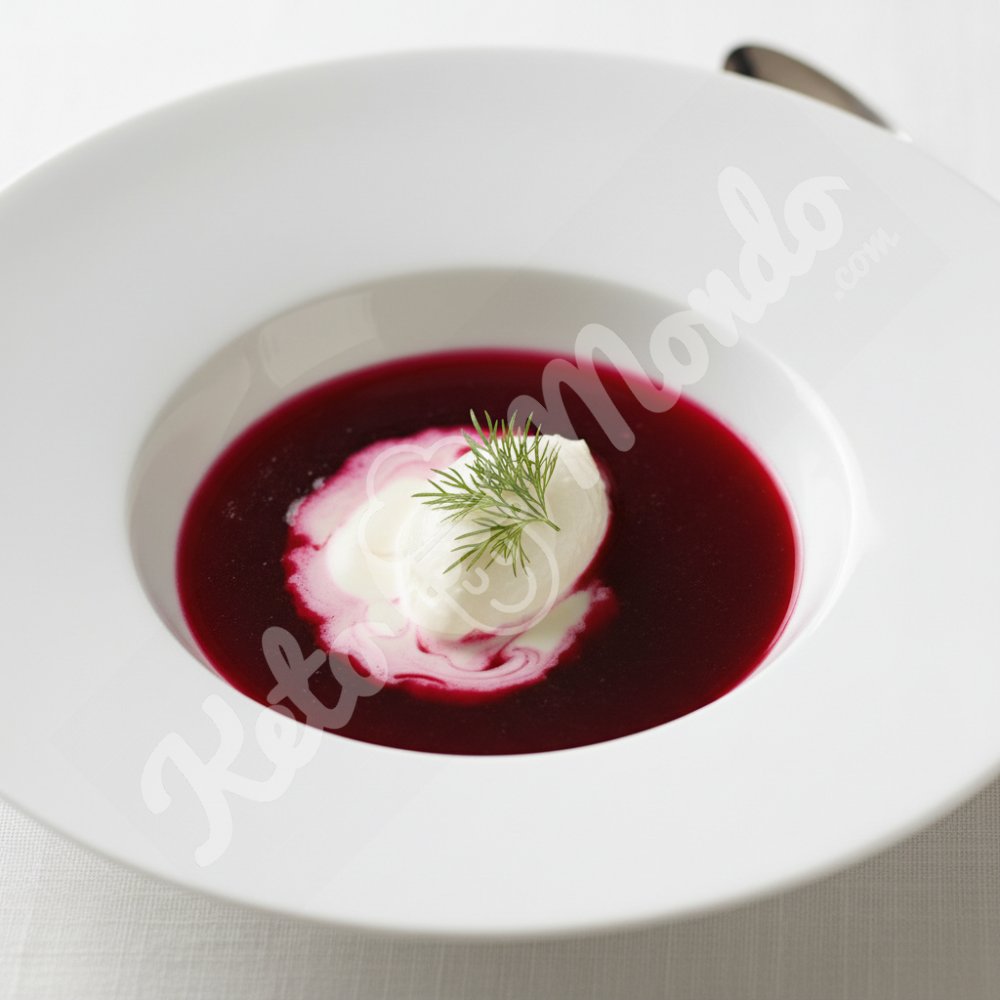
My method is that of precise culinary surgery. I identify the elements that provide flavor and strength, and I eliminate those that only provide glycemic load. In my borscht, beetroot is present for its color and earthy taste, but in measured quantities. I cut out the potato altogether, replacing it with celery root or just more crunchy cabbage. I banned pearl barley from my stchi, letting the fermented meat and vegetables express their full power without starchy interference.
These changes may seem small, but their impact is immense. We remove the 'weight' of the dish without removing the 'taste'. We retain the richness of long broths, the tenderness of simmered meats and the invigorating acidity of sour cream. The result is a cuisine that respects the codes of tradition while aligning with the needs of modern biology. It’s a subtraction that enriches the overall experience.
Taste recognition
The ultimate test is recognition. If I serve my modernized borscht to a Russian, he should immediately recognize the dish. And it is. The flavor is there, intact, perhaps even more intense because it is no longer diluted by the starch. The color is deep, the aroma is powerful. It's still my childhood dish, but it's lost its ability to knock me out. It’s a victory of taste over heaviness. We rediscover the finesse of traditional associations when they are stripped of the superfluous.
This fidelity to taste is essential. It allows you to maintain cultural ties while taking care of your health. We don't feel 'on a diet', we simply feel 'better nourished'. Modernized Russian cuisine is a cuisine of conscious pleasure. It proves that you can be demanding with your metabolism without being boring with your palate. Pleasure is the best ally of discipline when it is anchored in the truth of the product.
Silent digestion
The most immediate benefit of this modernization is increased digestive efficiency. Digestion becomes a silent, almost imperceptible process. We leave the table with stable energy, ready to act. There is no more postprandial drowsiness, no more bloating, no more heaviness in the stomach. The body processes proteins and fats with remarkable ease because it is no longer encumbered by complex carbohydrates. It is a feeling of sovereign lightness that changes the perception of the day.
This efficiency translates into better mental clarity. When the digestive system is calmed, the brain is free. At 46, this clarity is my most valuable work tool. I can't afford to be slowed down by my food. By modernizing my Russian classics, I gave myself a daily performance system. My kitchen has become my ally, my high-precision fuel. Tradition has become a driving force, not a brake.
Evolutionary love
Modernizing your culinary tradition is the purest act of love you can have for your heritage and your own body.
I invite you to revisit your own classics. Don't be afraid to change what needs to be changed to benefit your health. Keep the soul, keep the taste, but free yourself from heaviness. Learn to cook for the woman or man you are today, not for the ancestor you no longer are. Clarity is in evolution. ¡Priyatnogo appetite e viva a modern tradition!