
Survival underground
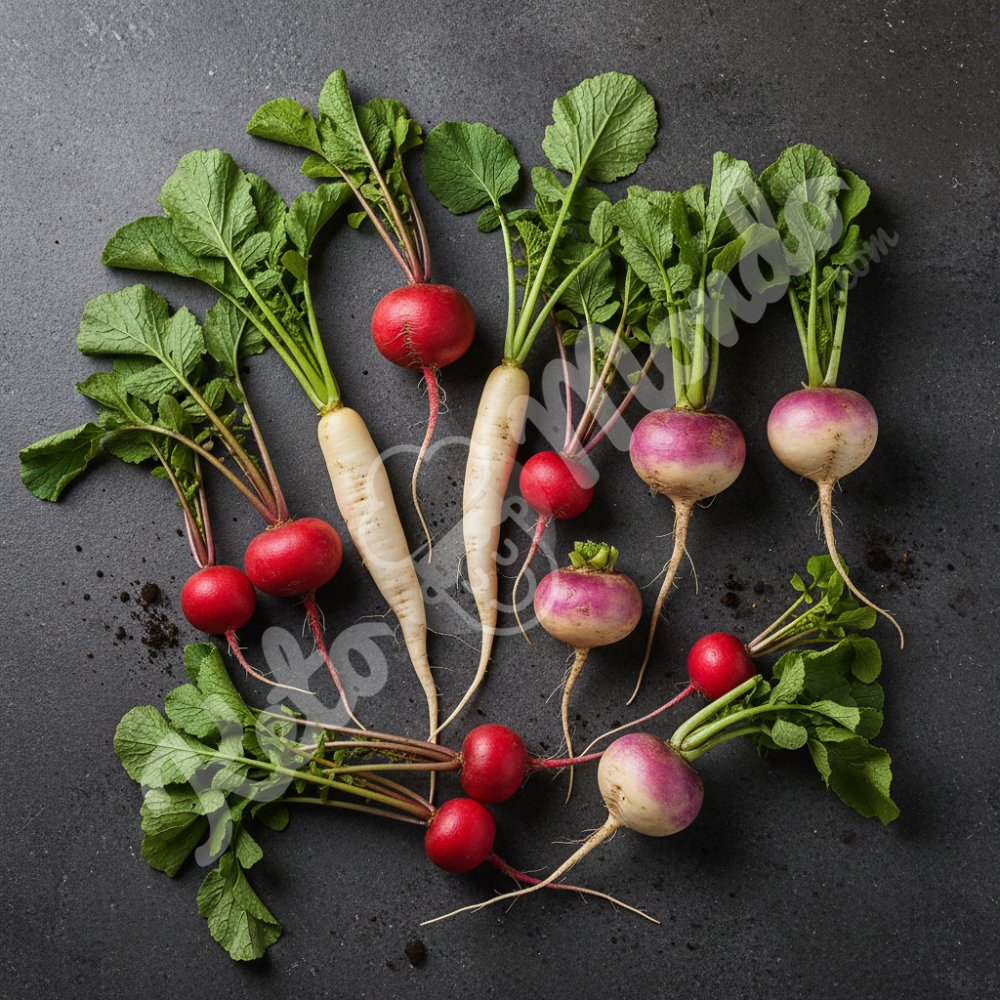
In Russian memory, roots are much more than vegetables; they are salvation. Historically, when frost frozen the surface of the earth, what lay beneath was our only reserve of life. Beetroot, carrots, turnips and rutabagas were the pillars of our winter survival. They were able to last until spring in the dark caves, providing us with the minerals and energy needed to not perish. It was a relationship of absolute dependence on what the soil wanted to preserve for us.
But this dependence has created confusion between 'what makes us survive' and 'what makes us thrive'. Because these roots were our only options, we came to believe that they were all interchangeable and beneficial in all quantities. At 46, I had to learn to sort through this underground garden. I had to understand that not all roots are equal in the face of our modern metabolism, especially when we seek clarity and energetic stability.
Metabolic sorting
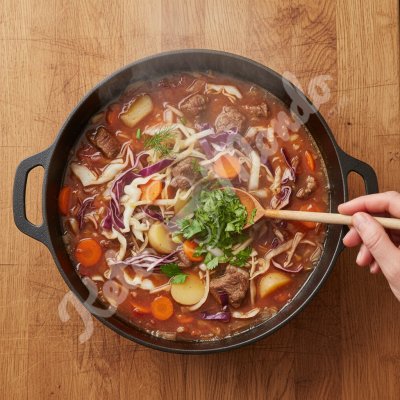
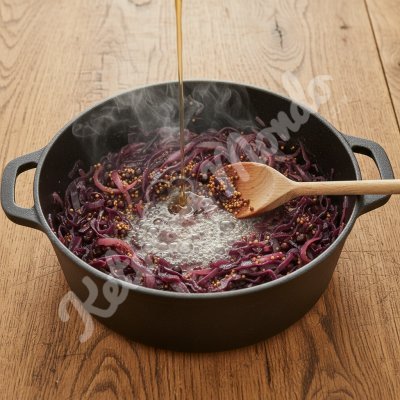
Today, my kitchen is the place of rigorous selection. I don't reject the roots, I choose them. Cabbage, in all its forms, remains my main ally: it is dense, protective and practically has no glycemic impact. Kohlrabi and black radish provide crunch and strength without the sugar load. On the other hand, I have become very cautious with beets and cooked carrots, which concentrate too many carbohydrates for my system. As for the potato, it simply left my table. It is no longer a necessity, it has become an obstacle.
This metabolic sorting is not a deprivation, it is an optimization. By favoring non-starchy vegetables, I allow my body to stay in fat-burning mode. I keep the earthy, authentic flavor of Russian cuisine, but eliminate the insulin spike that once accompanied it. It is an analytical approach to the garden: we keep what builds, we remove what clutters. Selection is the basis of dietary discipline.
The frontier of clarity
The distinction between starchy and non-starchy vegetable is the frontier of clarity. Starch is a form of preserved sugar, a storage energy that causes heaviness and fat storage. Non-starchy is a structural energy, rich in fiber and micronutrients, which promotes lightness and alertness of mind. In Russia we tend to mix everything together in big, thick stews. I learned to separate these worlds to keep only the one that serves my performance.
This blood sugar clarity changes everything. It eliminates the mental fog that often follows traditional Russian meals. We feel nourished, but not stunned. We find the feeling of real hunger, the one that comes from cellular need, and not from the drop in sugar. Light vegetables are the tools of this liberation. They allow us to eat our fill while maintaining an agile and responsive metabolism. It’s science applied to the vegetable garden.
The unknown wealth
There is immense richness in Russian vegetables that are not starchy, but we have often ignored it in favor of the ease of the potato. Celeriac, root parsley, leeks, winter spinach and of course the infinite variety of cabbage offer exceptional textures and flavors. By putting them in the center of the plate, I rediscover Russian cuisine that is finer, more aromatic and infinitely healthier. It is not a cuisine of substitution, it is a cuisine of revelation.
I use these vegetables to create strong structures in my dishes. They carry fats and proteins without weighing them down. They provide the volume necessary to satisfy the eye and the stomach, while respecting physiology. At 46, I'm no longer looking to fill myself up, I'm looking to balance myself. Light vegetables are the pillars of this balance. They are proof that you can be faithful to your land while being demanding with your health.
The successful transformation
The end result is a cuisine that remains deeply Russian in its soul, but has become light in its body. It is a successful transformation, a coming of age of our culinary tradition. We no longer eat to forget the cold, we eat to live in our body with pride. This newfound clarity is my greatest reward. I feel stronger, more alert and more in tune with my surroundings than ever.
I invite you to look at your vegetables with new eyes. Do not let yourself be deceived by habit or blind tradition. Choose the roots that elevate you, push aside those that weigh you down. Health is a matter of discernment, even in the depths of a Russian cellar. Clarity begins underground, in the choice of what we agree to put on our plate. ¡Priyatnogo appetite e viva a conscious education!